Event Planning Strategies for Memorable Experiences

Planning an event can often feel overwhelming, but with the right strategies, you can create memorable experiences that resonate with attendees long after the event is over. Whether you are organizing a wedding, a corporate retreat, or a community festival, the key to success lies in the details. In this blog post, we will explore effective event planning strategies that will help you craft unforgettable experiences.
Understanding Your Audience
Before diving into the logistics of your event, it is crucial to understand your audience. Knowing who will attend allows you to tailor the experience to their preferences and expectations. Here are some steps to consider:
Conduct Surveys: Use online tools to gather information about what your audience enjoys. Ask about their interests, preferred activities, and any dietary restrictions.
Create Personas: Develop profiles of typical attendees to visualize their needs and preferences. This can guide your decisions on themes, activities, and even food choices.
Engage with Your Audience: Utilize social media or community forums to engage with potential attendees. Their feedback can provide valuable insights into what will make your event special.
Setting Clear Objectives
Every successful event begins with clear objectives. What do you want to achieve? Here are some common goals:
Networking Opportunities: If your event is designed for professionals, consider how you can facilitate connections among attendees.
Education and Learning: For workshops or conferences, focus on providing valuable content that attendees can apply in their personal or professional lives.
Entertainment: If the goal is to entertain, think about how you can create a fun and engaging atmosphere.
Once you have defined your objectives, ensure that every aspect of your event aligns with these goals.
Budgeting Wisely
A well-planned budget is essential for any event. Here are some tips for effective budgeting:
Itemize Expenses: Break down your budget into categories such as venue, catering, entertainment, and marketing. This will help you see where your money is going.
Prioritize: Identify which elements are most important to your event's success and allocate funds accordingly. For example, if catering is a priority, consider cutting back on decor.
Plan for Contingencies: Set aside a portion of your budget for unexpected expenses. This will help you avoid stress if something goes awry.
Choosing the Right Venue
The venue sets the tone for your event. Here are some factors to consider when selecting the perfect location:
Capacity: Ensure the venue can comfortably accommodate your expected number of attendees.
Accessibility: Consider the location's accessibility for all guests, including parking and public transport options.
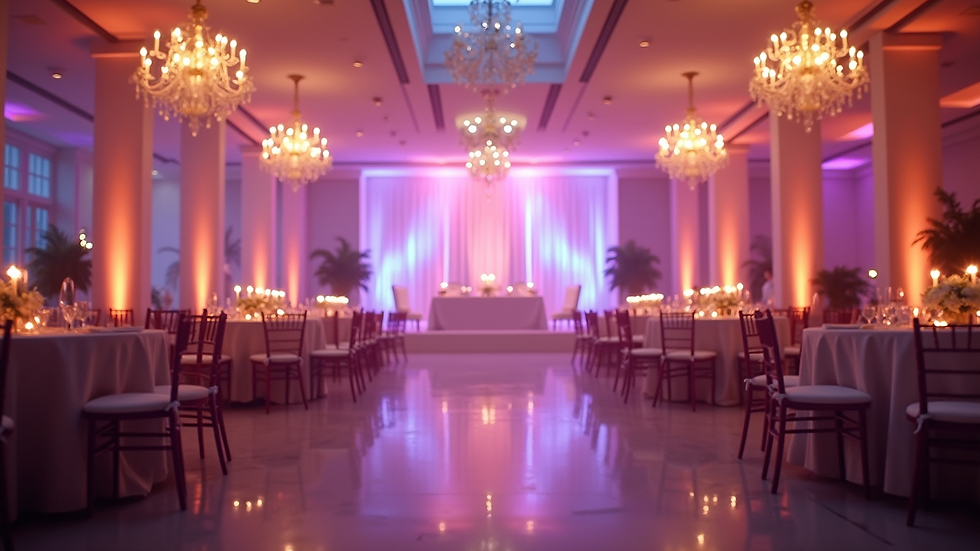
Ambiance: The venue should align with your event's theme and objectives. A formal event may require an elegant ballroom, while a casual gathering could be held in a park.
Crafting an Engaging Agenda
An engaging agenda keeps attendees interested and involved. Here are some strategies to create a compelling schedule:
Mix Activities: Combine different types of activities, such as workshops, panel discussions, and networking sessions, to cater to various interests.
Include Breaks: Schedule regular breaks to allow attendees to recharge and network informally.
Interactive Elements: Incorporate interactive elements like Q&A sessions, live polls, or hands-on workshops to keep participants engaged.
Focusing on Details
The little things can make a big difference in the overall experience. Here are some details to pay attention to:
Decor: Choose decor that reflects your theme and enhances the atmosphere. This could include centerpieces, lighting, and signage.
Food and Beverage: Offer a variety of food and drink options to cater to different tastes and dietary needs. Consider local catering services for a unique touch.
Technology: Ensure that any technology used during the event, such as microphones or projectors, is tested and functioning properly.
Marketing Your Event
Effective marketing is crucial for attracting attendees. Here are some strategies to promote your event:
Leverage Social Media: Use platforms like Facebook, Instagram, and Twitter to create buzz around your event. Share engaging content, such as behind-the-scenes preparations or sneak peeks of what to expect.
Email Campaigns: Send targeted email invitations to your audience, highlighting key details and benefits of attending.
Collaborate with Influencers: Partner with local influencers or organizations to reach a wider audience and enhance credibility.
Creating a Memorable Experience
To ensure your event stands out, focus on creating memorable experiences for attendees. Here are some ideas:
Unique Themes: Consider a unique theme that resonates with your audience. This could be anything from a retro party to a cultural celebration.
Personal Touches: Incorporate personal touches, such as handwritten thank-you notes or customized swag bags, to make attendees feel valued.
Post-Event Engagement: Keep the momentum going after the event by sharing highlights, photos, and feedback. This helps maintain connections and encourages future participation.
Evaluating Success
After the event, take time to evaluate its success. Here are some ways to assess how well you achieved your objectives:
Gather Feedback: Send out surveys to attendees to gather their thoughts on what worked well and what could be improved.
Analyze Attendance: Compare the number of attendees to your initial goals. Did you meet, exceed, or fall short of expectations?
Review Budget: Analyze your budget to see if you stayed within limits and where adjustments could be made for future events.
Conclusion
Event planning is both an art and a science. By understanding your audience, setting clear objectives, and paying attention to details, you can create memorable experiences that leave a lasting impact. Remember to evaluate your success and learn from each event to continuously improve your planning strategies. With these tips in mind, you are well on your way to hosting unforgettable events that resonate with your attendees.
Now that you have these strategies, it’s time to start planning your next event. What unique ideas do you have in mind?


Comments